Bengal Political Crisis 2026: Mamata Banerjee Dissolves Assembly
- Khabar Editor
- 08 May, 2026
- 97886

Email:-infokhabarforyou@gmail.com
Instagram:-@khabar_for_you

In a move that has sent shockwaves from the corridors of Nabanna to the power centers of Lutyens’ Delhi, West Bengal Chief Minister Mamata Banerjee has chosen the path of ultimate political brinkmanship. Following a fractured mandate in the 2026 Assembly Elections - marked by unprecedented polarization and allegations of administrative overreach - the Chief Minister has recommended the dissolution of the Legislative Assembly.
As Governor Dr. Anirban Mukhopadhyay accepted the recommendation late last night, West Bengal entered a state of constitutional suspended animation, plunging the "Sweet Land of India" into a bitter jurisdictional battle that may redefine the federal structure of the country.
Read More - Kota Hospital Tragedy: 2 Mothers Dead, 4 in ICU | Investigative Report | KhabarForYou
The Anatomy of a Deadlock
The 2026 elections were supposed to be a decisive chapter in Bengal’s political history. Instead, they produced a legislative jigsaw puzzle. While the Trinamool Congress (TMC) emerged as the single largest party, it fell agonizingly short of the 148-seat majority mark. The Bharatiya Janata Party (BJP), riding on a surge in North Bengal and the Matua belt, finished a close second, while a resurgent Left-Congress secular front held the "kingmaker" keys.
Sources close to the Chief Minister suggest that the decision to dissolve the House was not a sudden impulse but a calculated "kamikaze" move to prevent what the TMC describes as "the poaching of the people’s mandate."
"We saw what happened in Maharashtra and Karnataka," a senior TMC MP told *Khabar For You* on the condition of anonymity. "The Chief Minister was clear: she would rather go back to the people’s court than allow the Raj Bhavan to become a laboratory for 'Operation Lotus'."
The Constitutional Quagmire
The dissolution has triggered a fierce debate among legal luminaries. Under Article 174(2)(b) of the Constitution, the Governor has the power to dissolve the Legislative Assembly. However, the timing is contentious.
"The Governor is generally bound by the advice of the Council of Ministers, provided that the Ministry enjoys the confidence of the House," explains senior Supreme Court advocate Sanjay Hegde. "The grey area here is whether a Chief Minister who has failed to secure a clear majority in a fresh election can technically 'advise' dissolution before the House has even convened."
Legal experts suggest that the Governor could have first explored the possibility of an alternative government. By accepting the dissolution, the state is now headed toward President’s Rule under Article 356, a scenario Mamata Banerjee has historically termed as "the death of democracy."
The Streets vs. The Secretariat
On the ground, the atmosphere in Kolkata is electric. At Kalighat, the residence of the Chief Minister, thousands of TMC supporters have gathered, chanting slogans of *"Khela Ekhono Shesh Hoyni"* (The game is not over yet).
Across town, at the BJP state headquarters in Salt Lake, the mood is one of guarded aggression. Suvendu Adhikari, the Leader of the Opposition, termed the move a "constitutional fraud."
"She has sensed that her ground is slipping. By dissolving the House, she is holding the state hostage to her ego. Why should the taxpayer fund another election within six months because one person refuses to accept the verdict?" Adhikari questioned during a press briefing.
What are Mamata’s Options Now?
As the dust settles on the dissolution, political analysts are mapping out Banerjee’s next moves. She currently faces a three-pronged challenge:
1. The 'Martyrdom' Narrative:
Banerjee is expected to take to the streets, portraying herself as a victim of a "conspiracy by Delhi." By forcing an early re-election, she hopes to convert the current sympathy wave into a thumping majority, bypassing the complexities of coalition politics.
2. Legal Recourse:
While the Assembly is dissolved, the TMC legal cell is reportedly preparing to move the High Court or the Supreme Court against any attempt to delay fresh elections beyond the mandatory six-month window.
3. The Federal Front:
Banerjee has already begun reaching out to Tamil Nadu Chief Minister M.K. Stalin and Samajwadi Party chief Akhilesh Yadav. By framing the Bengal crisis as an "attack on federalism," she seeks to nationalize the issue ahead of the upcoming winter session of Parliament.
Economic and Social Fallout
Beyond the political theater, the cost of this instability is mounting. West Bengal, which has been attempting to shed its image as a "strike-prone" state to attract industrial investment, now faces a period of administrative limbo.
"Investment requires stability," says Dr. Amitabha Mitra, an economist. "With President’s Rule looming and the prospect of another polarized election, the bureaucracy will be in a state of paralysis. Infrastructure projects under the 'Gatishakti' scheme and state-sponsored welfare programs like 'Lakshmir Bhandar' could face logistical hurdles."
The Global Lens
International observers are watching the developments closely. Al Jazeera’s regional analysts noted that the Bengal impasse is a "litmus test for Indian democracy’s resilience." Meanwhile, outlets like Sputnik have highlighted the internal security concerns, given Bengal’s sensitive border with Bangladesh, suggesting that political instability in the East could have wider geopolitical ramifications.
The Road Ahead
The Election Commission of India (ECI) now finds itself in the eye of the storm. The task of conducting a fresh round of polls in a state as volatile as Bengal, where post-poll violence has become a recurring theme, is monumental.
For the people of Bengal, the "Ma, Mati, Manush" (Mother, Land, People) slogan is being tested like never before. As the state moves into an uncertain summer, the question is no longer who will lead Bengal, but whether the institutions designed to protect its democracy can withstand the heat of this unprecedented confrontation.
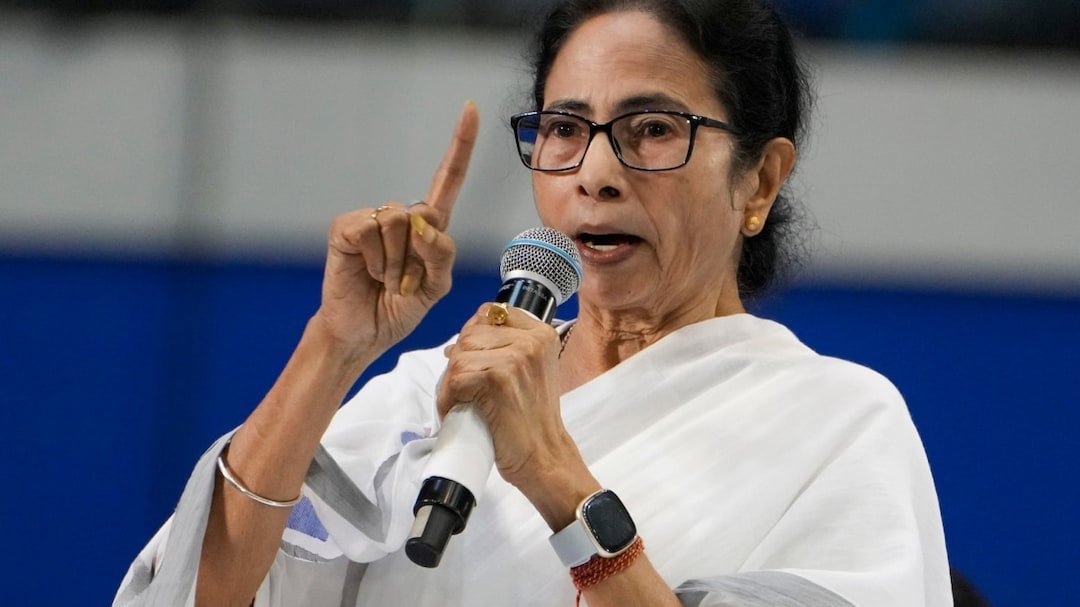
Mamata Banerjee remains defiant, her trademark white saree and Hawaiian slippers a symbol of a leader who thrives in the midst of a storm. But as the Assembly stands empty and the files gather dust in Nabanna, the common citizen wonders: at what cost comes this defiance?
© 2023 Khabar For You. All Rights Reserved.
Business, Sports, Lifestyle ,Politics ,Entertainment ,Technology ,National ,World ,Travel ,Editorial and Article में सबसे बड़ी समाचार कहानियों के शीर्ष पर बने रहने के लिए, हमारे subscriber-to-our-newsletter khabarforyou.com पर बॉटम लाइन पर साइन अप करें। |
| यदि आपके या आपके किसी जानने वाले के पास प्रकाशित करने के लिए कोई समाचार है, तो इस हेल्पलाइन पर कॉल करें या व्हाट्सअप करें: 8502024040 |
#KFY #KFYNEWS #KHABARFORYOU #WORLDNEWS
नवीनतम PODCAST सुनें, केवल The FM Yours पर
Click for more trending Khabar
Leave a Reply
Your email address will not be published. Required fields are marked *
Search
Category